

Coal tar creosote oil has been one of the most effective industrial wood preservatives for more than 180 years. Widely used in wood pressure impregnation, creosote-treated timber provides exceptional resistance against fungal decay, insects, moisture, and marine organisms.
Today, creosote pressure treatment remains essential for railway sleepers, utility poles, marine pilings, bridge timbers, and heavy industrial wood structures exposed to severe environmental conditions.
This guide explains:
- What coal tar creosote oil is
- How wood pressure impregnation works
- The chemistry behind creosote wood preservation
- Industrial applications of creosote-treated wood
- Environmental and health concerns
- Modern alternatives to creosote wood treatment
What Is Coal Tar Creosote Oil?
Coal tar creosote oil is a complex oil-based wood preservative derived from coal tar distillation during coke production. It contains hundreds of organic compounds that protect wood from biological deterioration.
The preservative is highly effective because it deeply penetrates timber during pressure impregnation and creates long-lasting protection against decay organisms.
Main Chemical Components of Creosote Oil
Polycyclic Aromatic Hydrocarbons (PAHs)
The primary active compounds include:
- Naphthalene
- Anthracene
- Phenanthrene
- Fluorene
- Pyrene
- Chrysene
These compounds provide strong fungicidal and insecticidal properties.
Phenolic Compounds
Phenols and cresols enhance antimicrobial activity and improve preservative performance.
Nitrogen and Sulfur Compounds
These components contribute to long-term chemical stability and resistance to microbial degradation.
What Is Wood Pressure Impregnation?
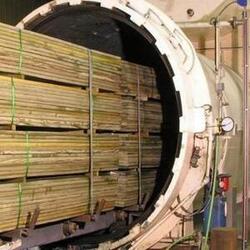
Wood pressure impregnation is an industrial preservation process that forces protective chemicals deep into the wood structure using vacuum and high-pressure systems.
The goal is to increase timber durability and extend service life in outdoor or high-moisture environments.
Why Pressure-Treated Wood Is Important
Untreated wood exposed to moisture and soil contact can rapidly deteriorate due to:
- Wood-decaying fungi
- Mold growth
- Termites
- Beetles
- Marine borers
- Weathering
Pressure impregnation significantly improves wood lifespan and structural reliability.
How Coal Tar Creosote Pressure Treatment Works
The Bethell Full-Cell Process
The Bethell process is the most widely used method for creosote wood impregnation.
Step 1 – Initial Vacuum
Air and moisture are removed from the timber cells to improve preservative penetration.
Step 2 – Filling the Cylinder with Creosote Oil
Heated coal tar creosote oil is introduced into the treatment vessel.
Step 3 – High Pressure Application
Pressure forces the preservative deep into the wood cellular structure.
Typical industrial pressure ranges:
- 700–1400 kPa
- Treatment duration: several hours
Step 4 – Final Vacuum
Excess surface creosote is removed to reduce dripping and improve handling.
Step 5 – Cooling and Fixation
The preservative stabilizes inside the wood, creating long-term protection.
Benefits of Creosote-Treated Wood
1. Exceptional Durability
Creosote-treated timber can last:
- 40–60 years or more
- Even under severe outdoor exposure
2. Strong Resistance to Biological Attack
The preservative protects against:
- Wood rot fungi
- Termites
- Beetles
- Marine borers
3. Water Repellency
Coal tar creosote reduces water absorption and minimizes:
- Swelling
- Shrinkage
- Moisture-induced decay
4. Deep Wood Penetration
Pressure impregnation enables preservative distribution deep inside the timber.
5. Cost-Effective Long-Term Performance
Long service life lowers maintenance and replacement costs.
Industrial Applications of Creosote Wood Preservation
Railway Sleepers
Creosote-treated railway ties remain one of the most common applications due to:
- High durability
- Vibration resistance
- Mechanical stability
Utility Poles
Electricity and telecommunications infrastructure relies on creosote-treated poles for long-term outdoor performance.
Marine Pilings
Creosote performs exceptionally well in marine environments exposed to:
- Saltwater
- Shipworms
- Gribbles
- High humidity
Bridge Timbers and Industrial Structures
The preservative is widely used in:
- Retaining walls
- Harbor structures
- Agricultural fencing
- Industrial foundations
How Creosote Protects Wood
Biological Toxicity
Creosote compounds are toxic to organisms that degrade wood.
Hydrophobic Protection
The oil-based preservative limits water penetration.
Oxygen Restriction
Creosote fills wood voids and reduces oxygen availability for fungi.
Long-Term Chemical Stability
Many creosote compounds resist biodegradation and weathering.
Creosote Retention Levels in Pressure-Treated Wood
Retention levels vary depending on application severity.
| Application | Typical Retention |
|---|---|
| Railway sleepers | 80–160 kg/m³ |
| Utility poles | 120–200 kg/m³ |
| Marine pilings | 200–400 kg/m³ |
Higher retention is required for marine exposure due to aggressive biological attack.
Environmental Impact of Coal Tar Creosote
Although highly effective, coal tar creosote presents environmental challenges.
PAH Contamination Risks
Many polycyclic aromatic hydrocarbons are classified as hazardous or carcinogenic.
Soil and Water Pollution
Long-term leaching may contaminate:
- Soil
- Groundwater
- Sediments
- Aquatic ecosystems
Occupational Health Concerns
Workers may experience exposure through:
- Skin contact
- Inhalation
- Handling treated timber
Protective equipment and industrial safety measures are essential.
Regulations on Creosote-Treated Wood
European Union Regulations
The EU restricts creosote-treated wood to industrial and professional applications only.
Residential and public-contact uses are largely prohibited.
United States EPA Regulations
The U.S. Environmental Protection Agency classifies creosote as a restricted-use pesticide.
Alternatives to Coal Tar Creosote Wood Treatment
Modern wood preservation technologies include:
Copper-Based Preservatives
- Alkaline Copper Quaternary (ACQ)
- Copper Azole (CA)
Oil-Borne Alternatives
- Copper naphthenate
- Pentachlorophenol
Non-Chemical Wood Modification
- Thermal modification
- Acetylation
- Furfurylation
These alternatives aim to reduce environmental toxicity while maintaining durability.
Future Trends in Wood Preservation Technology
- Reduced-toxicity creosote formulations
- Nanotechnology-based preservatives
- Sustainable timber treatment systems
- Environmental remediation technologies
- Lifecycle assessment of treated wood
Frequently Asked Questions (FAQ)
Is creosote-treated wood waterproof?
Creosote-treated wood is highly water-resistant but not completely waterproof.
How long does creosote-treated wood last?
Depending on exposure conditions, service life can exceed 40–60 years.
Why is creosote used for railway sleepers?
Creosote provides excellent resistance to moisture, fungi, insects, and mechanical stress.
Is coal tar creosote hazardous?
Yes. Many compounds in creosote are considered hazardous and require regulated handling.
Can creosote-treated wood be used residentially?
In many countries, residential use is restricted due to health and environmental concerns.
Conclusion
Coal tar creosote oil remains one of the most durable and technically effective wood preservatives ever developed. Through pressure impregnation technology, creosote-treated wood achieves exceptional resistance to biological decay, moisture, and harsh environmental conditions.
Despite increasing environmental regulations and the development of alternative preservatives, creosote continues to serve critical industrial applications where long-term structural durability is essential.
As sustainability standards evolve, future innovations in timber preservation will likely focus on balancing performance, environmental responsibility, and occupational safety.
Related products

Ask Your Question
WhatsApp:
+ 372 581 788 67
e-mail:
sales@hippocampus.ee