

Advancing Silicon–Tin Sulphide Nanocomposites: A Game-Changing Solution for Energy Storage
 Introduction
The global demand for high-performance energy storage is accelerating. From electric vehicles (EVs) to portable electronics and renewable grid systems, industries are pushing the boundaries of what batteries can achieve. Traditional materials like graphite and even pure silicon face significant limitations in capacity, stability, and scalability.
One promising breakthrough is the development of Silicon–Tin Sulphide (Si–SnS) nanocomposites, a next-generation anode material that could transform how we store and use energy.
Why Silicon–Tin Sulphide Nanocomposites?
1. Silicon’s High Capacity with Limitations
- Silicon offers an exceptionally high theoretical capacity (~4,200 mAh/g), far beyond graphite (~372 mAh/g).
- However, silicon suffers from severe volume expansion (>300%) during charging/discharging, leading to cracking, poor cycle life, and capacity fading.
2. Tin Sulphide’s Conductivity and Stability
- Tin sulphide (SnS) provides good electrical conductivity, moderate capacity, and better structural stability compared to pure silicon.
- SnS also undergoes conversion and alloying reactions with lithium and sodium, giving it versatility across different battery chemistries.
3. The Nanocomposite Advantage
By combining silicon with tin sulphide at the nanoscale, researchers create a synergistic material where:
- SnS acts as a buffer matrix, accommodating silicon’s expansion.
- Silicon contributes very high capacity, boosting energy density.
- Nanoscale structuring improves electron transport and mechanical resilience.
Potential Benefits of Si–SnS Nanocomposites
✔ High Energy Density – Combining silicon’s capacity with SnS stability delivers far superior storage than graphite anodes. ✔ Improved Cycle Life – The composite resists cracking and capacity fading better than standalone silicon. ✔ Faster Charging – Enhanced conductivity of SnS allows for more efficient ion movement. ✔ Adaptability – Works in both lithium-ion and sodium-ion systems, making it suitable for diverse applications.
Applications Across Industries
1. Electric Vehicles (EVs)
- Higher-capacity anodes mean extended driving ranges.
- Improved charging speeds could reduce EV charging times significantly.
2. Consumer Electronics
- Longer battery life in smartphones, laptops, and wearables.
- Thinner, lighter batteries without compromising performance.
3. Renewable Energy Storage
- Grid-scale storage for solar and wind power requires materials that are cost-effective, scalable, and durable.
- Si–SnS nanocomposites could reduce costs while improving reliability.
Challenges and Ongoing Research
While promising, Si–SnS nanocomposites face hurdles:
- Scalability: Producing nanocomposites at industrial scale remains costly.
- Stability: Long-term cycling stability under real-world conditions needs validation.
- Optimization: Balancing silicon’s capacity with SnS’s buffering remains a key area of research.
Researchers are exploring nano-engineering techniques, protective coatings, and hybrid composites to overcome these challenges.
Why High Purity Tin Matters Here
The performance of Si–SnS nanocomposites depends heavily on the purity of the tin source.
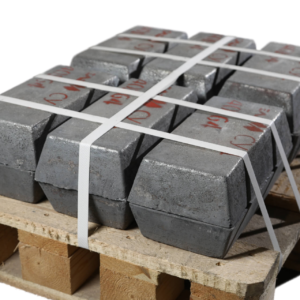
Using 99.9%+ high purity tin ingots ensures:
- Fewer impurities disrupting electrochemical reactions
- Higher reliability in experimental and commercial batteries
- Consistency for scaling from lab prototypes to industrial production
Conclusion
Silicon–Tin Sulphide nanocomposites represent a game-changing innovation in energy storage, addressing the shortcomings of traditional anode materials while unlocking new possibilities in EVs, electronics, and renewable energy systems.
With continued research and the use of ultra-high purity tin, Si–SnS nanocomposites could soon play a pivotal role in powering the future.
👉 Looking to explore tin for advanced energy storage solutions? Discover our High Purity Tin Ingots (99.9%+) — supporting next-gen battery innovation worldwide.
Related products

Ask Your Question
WhatsApp:
+ 372 581 788 67
e-mail:
sales@hippocampus.ee

 When it comes to food packaging, safety and durability are non-negotiable. Consumers and regulators demand materials that are not only protective but also non-toxic and reliable. That’s why tin coatings have become the industry standard. From cans to containers, food-safe tin ensures products stay fresh, uncontaminated, and compliant with global food safety regulations.