| WhatsApp: + 372 581 788 67 info@hippocampus.ee
Select Page
FAQ: Everything You Need to Know About 99.99% Pure Tin Ingots

FAQ: Everything You Need to Know About 99.99% Pure Tin Ingots

High Purity Tin Ingots (99.915 - 99,998%)Industries that require extreme reliability, conductivity, and compliance turn to 99.99% tin ingots because even the smallest impurity can make the difference between success and failure in high-tech applications. When it comes to industrial metals, purity matters. 99.99% pure tin ingots are widely used in electronics, semiconductors, plating, and specialty alloys where even trace impurities can affect performance. To help buyers and engineers make informed decisions, we’ve compiled this FAQ guide covering everything you need to know about ultra-high purity tin ingots.

Frequently Asked Questions

1. What are 99.99% pure tin ingots?

99.99% tin ingots are ultra-refined blocks of metallic tin with an impurity level of less than 0.01%. They are produced under strict refining processes to meet semiconductor-grade and electronic industry standards.

2. How are they different from 99.9% tin ingots?

  • 99.9% purity → Industrial-grade, widely used in soldering, plating, and alloys.
  • 99.99% purity → Electronics-grade, ideal for semiconductors, thin films, and advanced chemical compounds where purity is critical.

The difference may seem small, but in high-tech applications, 0.09% impurities can impact conductivity, reliability, and performance.

3. What industries use 99.99% pure tin?

Because of its ultra-high purity and exceptional consistency, 99.99% pure tin is the preferred choice across several advanced industries:

Electronics & Semiconductors

  • Used in semiconductor packaging, bonding materials, and thin-film deposition.
  • High purity prevents electrical interference and signal loss in sensitive components.
  • Essential for lead-free solders, ensuring compliance with RoHS regulations.

Renewable Energy (Solar & Batteries)

  • Tin oxides (SnO₂) are key in thin-film solar cells, providing transparent conductive layers.
  • Tin-based anodes are being developed for next-generation lithium-ion and sodium-ion batteries, improving energy density and charging cycles.

Specialty Alloys & Advanced Manufacturing

  • Added to aerospace and automotive alloys for strength, corrosion resistance, and performance in high-stress environments.
  • Used in precision engineering where even microscopic impurities could compromise quality.

Chemicals & Catalysts

  • 99.99% pure tin is used in producing fine chemicals and high-purity catalysts.
  • Its purity ensures stable reactions in pharmaceutical, petrochemical, and specialty chemical applications.

Medical & Food Industries

  • Tin is a non-toxic, biocompatible metal, making it safe for medical devices, implants, and surgical components.
  • In the food industry, ultra-pure tin coatings protect packaging from corrosion while maintaining food safety standards.

Research & Nanotechnology

  • In universities and R\&D labs, tin is used for experimental thin-film coatings, nanomaterials, and advanced electronic prototypes.
  • High purity ensures consistency in scientific results and reduces contamination risks.

4. What are the benefits of ultra-high purity tin?

  • Exceptional electrical conductivity
  • Superior corrosion resistance
  • Improved solder joint reliability
  • Compliance with global electronic standards (RoHS, REACH)
  • Consistency in semiconductor-grade manufacturing

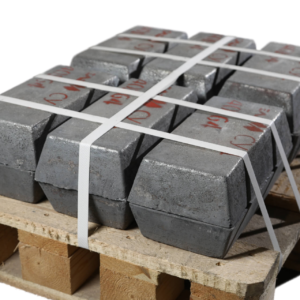
5. How are 99.99% tin ingots packaged?

Our ultra-high purity tin ingots are:

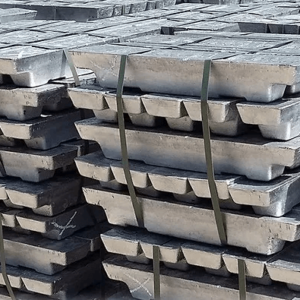
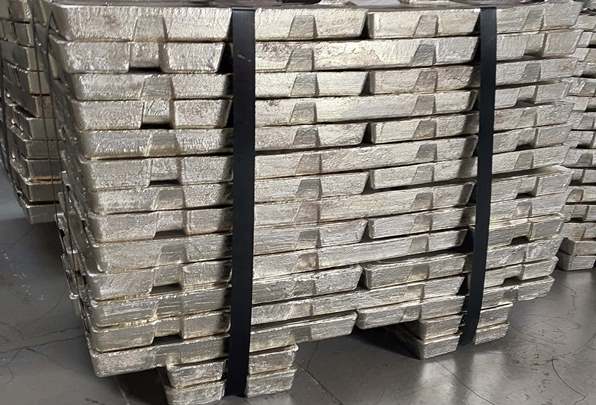
  • Packed in steel-strapped bundles for transport security
  • Every batch passes laboratory analysis and exported with a Certificate of Quality
  • Every ingot is being thoroughly weighted before bundling & strapping.

6. Where can I buy 99.99% pure tin ingots?

We supply 99.99% high purity tin ingots worldwide, with reliable logistics and competitive pricing. To request a quote or technical datasheet, visit our High Purity Tin Ingots (99.915 – 99,998%) for Industrial Applications page, and/or contact us via email or Contact Form.

Need a trusted source of 99.99% tin ingots? Contact us today for supply and packaging solutions.

To sum up, whether you’re in electronics, plating, alloys, or chemical manufacturing, 99.99% pure tin ingots provide the quality and consistency required for advanced applications. By choosing ultra-high purity tin, you secure better performance, longer product life, and global compliance.

Need a trusted source of 99.99% tin ingots? Contact us today.

Ask Your Question

WhatsApp:
+ 372 581 788 67

e-mail:
sales@hippocampus.ee
Exploring Electronics-Grade Tin Solutions

Exploring Electronics-Grade Tin Solutions

Electronics-Grade Tin SolutionsIn today’s fast-evolving electronics industry, high purity tin plays a crucial role in enabling innovation, compliance, and performance. From lead-free soldering to semiconductor packaging and thin-film deposition, electronics-grade tin ensures reliability at every step of the manufacturing process.

This article explores the importance of electronics-grade tin solutions, their key applications, and why purity levels matter for mission-critical components.


  • Why Electronics Need High Purity Tin?

Electronics manufacturing demands consistency, reliability, and compliance with international standards. Impurities in tin can disrupt conductivity, affect solder flow, or even compromise product safety. That’s why 99.99% high purity tin ingots are the preferred choice for electronics manufacturers. Their low melting point, excellent electrical properties, and non-toxic nature make them indispensable.


  • Key Applications of Electronics-Grade Tin

1  Lead-Free Solder Materials

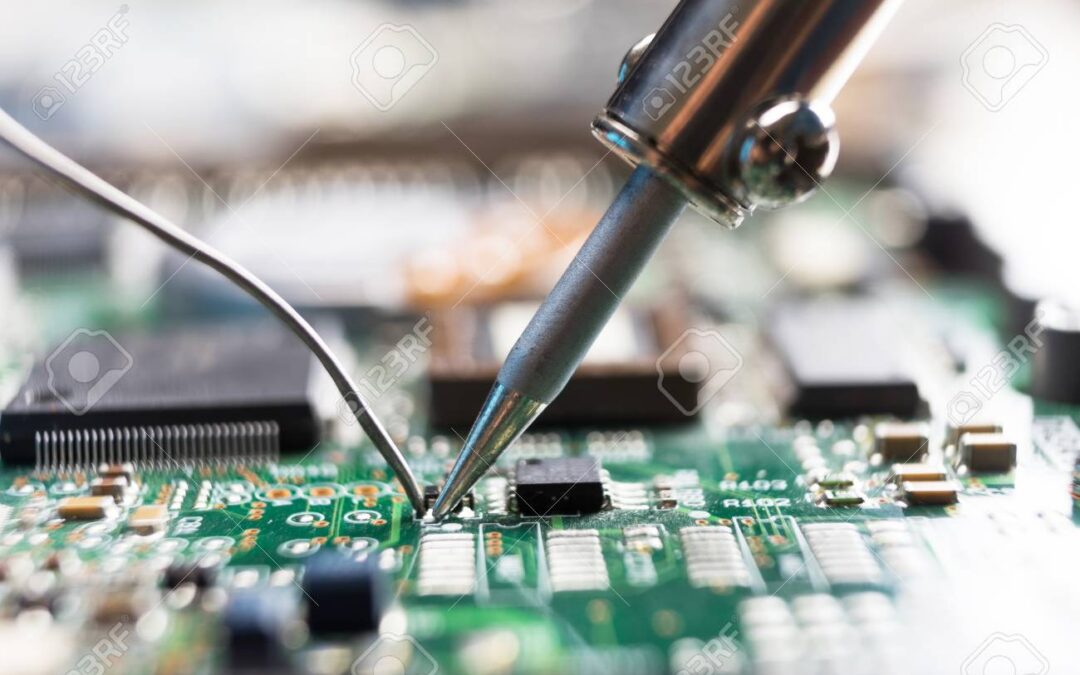
Solder is a metallic material that is used to connect metal workpieces. The choice of specific solder alloys depends on their melting point, chemical reactivity, mechanical properties, toxicity, and other properties. Hence a wide range of solder alloys exist, and only major ones are listed below. Since early 2000s the use of lead in solder alloys is discouraged by several governmental guidelines in the European UnionJapan and other countries, such as Restriction of Hazardous Substances Directive and Waste Electrical and Electronic Equipment Directive. With global restrictions on lead-based solders, high purity tin is the foundation of lead-free solder alloys. It provides reliable joints for circuit boards and ensures product safety in consumer electronics.

2. Semiconductor Packaging | Low Alpha Tin solution

Tin is widely used in semiconductor bonding and packaging because of its ability to form durable, conductive layers. Its purity guarantees consistent performance in high-tech devices. With semiconductor devices continuing to evolve and shrink, the need for greater reliability has never been more critical. As devices become smaller, complex, and functional demands increase, the challenge of minimizing alpha particle emissions becomes even more urgent. These emissions, even in tiny amounts, can disrupt performance and reliability – leading to soft errors in critical applications such as SRAM, DRAM, and AI systems. The trend toward smaller, more powerful semiconductor devices has driven a demand for components that operate with greater performance. But as these devices shrink their sensitivity to factors such as alpha particles becomes increasingly problematic. Alpha emissions are a primary cause of soft errors, which can have significant implications for device performance, leading to poor reliability, data corruption, or system failure. Low Alpha Tin – innovative technology designed to address the growing problem of soft errors caused by alpha emissions in next-generation semiconductors.

An exceptional quality of low alpha tin include:

  • Ultra-low alpha particle emissions of less than 0.002 cts/khr-cm2
  • Tin purity of >99.99% for unparalleled performance
  • Trace metals reduced to less than 10ppm, ensuring minimal contamination
  • Solutions compatible with both soluble and insoluble anodes for flexible application
  • Performance reliability necessary for high-end semiconductor applications, such as memory devices, AI processors, and advanced packaging systems.

3.Thin-Film Deposition

In microelectronics, tin is used in thin-film technologies to create specialized coatings that improve conductivity and protect sensitive components.

Thin-film technologies are at the heart of today’s semiconductors, solar cells, and advanced electronics. These ultra-thin material layers allow for miniaturization, higher efficiency, and enhanced performance. Among the metals used, tin stands out for its unique electrical, chemical, and physical properties, especially when sourced at 99.99% purity.

Tin’s popularity in thin-film applications comes from its:


  • Low melting point enabling precise deposition at lower energy costs
  • Excellent electrical conductivity ensuring reliable performance in microelectronics
  • Corrosion resistance protecting components from environmental degradation
  • Compatibility with other materials making it ideal for multilayered semiconductor structures


Key Tin Thin-Film Applications:

  1. Semiconductors: Tin is widely applied in semiconductor thin films, including SnO2 (tin oxide), which is valued as a transparent conducting oxide (TCO) in electronics and optoelectronics.
  2. Solar Cells: Tin-based thin films are being used in next-generation solar cells, providing high conductivity and transparency while maintaining cost efficiency.
  3. Display Technologies: Flat-panel displays and touch screens rely on tin oxides for transparent electrodes, enhancing responsiveness and clarity.
  4. Sensors and Coatings: Tin thin films also play a role in gas sensors, corrosion protection layers, and advanced coatings for microelectronics.

Using high purity tin ingots (99.99%) in thin-film deposition ensures:

  • Reduced defects in film deposition
  • Consistent conductivity and transparency
  • Better yield in semiconductor manufacturing
  • Compliance with international standards for electronics

4. Wiring and Connectors

Modern electronics demand not only high performance but also long-term reliability. One critical factor in achieving this is the use of tin coatings on wiring and connectors. Electronics-grade tin provides corrosion resistance, conductivity, and durability, making it a preferred material for manufacturers worldwide.

Electrical connectors and wiring are constantly exposed to environmental stress, current loads, and potential oxidation. Without protective coatings, these components may fail prematurely. Electronics-grade tin coatings solve these issues by:


  • Preventing corrosion and oxidation
  • Enhancing electrical conductivity
  • Reducing contact resistance
  • Extending service life of wiring and connectors


Key Applications of Tin Coatings in Electronics

  1. Wiring & Cable Coatings. Tin-coated copper wires are widely used in **automotive, aerospace, and consumer electronics** due to their ability to withstand harsh environments while maintaining conductivity.
  2. Electrical Connectors. Tin coatings on connectors ensure secure, low-resistance contact points, reducing power loss and improving device efficiency.
  3. Printed Circuit Boards (PCBs). PCBs benefit from tin coatings that provide solderability and corrosion resistance, ensuring consistent assembly and reliability.
  4. Food-Grade and Medical Devices. Because tin is non-toxic, it is used in wiring and connectors for sensitive applications, including medical devices and food packaging electronics.


Benefits of Using High Purity Tin in Coatings

  • Improved reliability of electrical connections
  • Extended product life in demanding environments
  • Compliance with RoHS and safety regulations
  • Cost-effective compared to noble metals like silver or gold
  • Non-toxic and sustainable for consumer applications


  • Advantages of Using High Purity Tin Solutions

  • Improved reliability in soldering and bonding
  • Compliance with RoHS and other global regulations
  • Reduced defects in semiconductor packaging
  • Extended product life for wiring and connectors
  • Versatility across multiple electronic applications


  • Why Choose Our Electronics-Grade Tin Ingots

We supply 99.915 – 99,998% purity tin ingots specifically designed for electronics and semiconductor applications. With strict quality control, secure packaging, and global distribution, our tin solutions are trusted by leading manufacturers worldwide.

To sum up we’d like to emphasize that as electronics continue to shrink in size but grow in performance demands, the importance of high purity tin solutions cannot be overstated. Whether it’s soldering, semiconductor packaging, or thin-film applications, electronics-grade tin ensures reliability, compliance, and performance.


  • Looking for a trusted supplier of electronics-grade tin ingots?

Explore our High Purity Tin Ingots (99.915 – 99,998%) for Industrial Applications for bulk orders today.


Ask Your Question

WhatsApp:
+ 372 581 788 67

e-mail:
sales@hippocampus.ee